
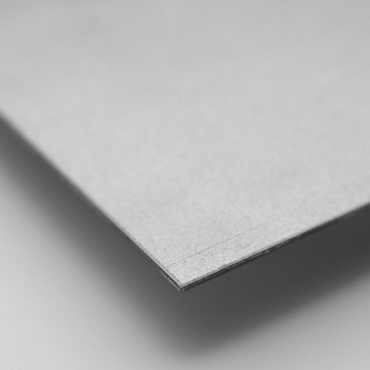
CR4 Mild Steel vs Magnelis®: Choosing the Right Steel for Radiator Covers
CR4 Mild Steel vs Magnelis®: Choosing the Right Steel for Radiator Covers (1.5mm & 2.0mm)
Material choice isn’t just a technical detail — it affects durability, finish quality, impact resistance,
and how well a radiator cover stands up to real-life environments like corridors, care settings, schools and plant areas.
In this guide we’ll cover the practical benefits of CR4 mild steel in 1.5mm and 2.0mm thickness, and the extra advantages
of choosing Magnelis® steel in the same thicknesses for environments where corrosion resistance matters.
Magnelis® steel (enhanced corrosion resistance)
Specifiers & Estates teams
1.5mm suits many standard internal environments where weight and cost control matter.
2.0mm is the upgrade for higher-traffic areas and improved robustness.
Magnelis® is the upgrade when you want additional corrosion resistance — particularly near moisture, condensation, or more demanding service conditions.
If you’re unsure which material/thickness suits the environment, a manufacturer-led survey helps confirm risks, fixing approach, and expected wear (free surveys available).
What is CR4 mild steel (and why it’s commonly used)
CR4 is a cold-reduced low carbon steel grade typically chosen where you want a good balance of
formability, consistent manufacturing, and a smooth painted finish.
In radiator covers, that generally translates to clean lines, reliable fabrication, and good powder coat results.
Cold-reduced steel typically gives a consistent surface suitable for powder coating and professional looking results.
Good formability helps produce crisp folds, neat returns, and consistent repeat builds across programmes.
1.5mm CR4: the practical benefits
For many standard internal environments, 1.5mm CR4 provides an excellent balance of robustness, manufacturability, and cost control.
It’s commonly specified where covers need to look smart, perform well, and not be over-engineered.
- Cost-effective robustness for general use environments
- Lower weight than thicker gauge (useful for handling, installation and certain wall types)
- Good finish quality when powder coated
- Ideal for programme work where standardised specification is needed across multiple rooms
2.0mm CR4: the upgrade for extra robustness
2.0mm CR4 is the straightforward “upgrade” when you expect more knocks, heavier daily use, or want increased rigidity.
In practice, it can help covers stay straighter over time in busy environments.
- Improved rigidity — helps reduce flex and keep a more solid feel
- Better impact resistance for corridors and high-traffic areas
- More forgiving in real sites where walls aren’t perfectly flat and fixings need extra “stability”
- Good choice for estates portfolios where durability reduces lifecycle cost
So what does Magnelis® change?
Magnelis® (a metallic coated steel by ArcelorMittal) is typically chosen where you want enhanced corrosion resistance
compared with standard pre-coated steels, especially where moisture, condensation, cleaning regimes, or challenging conditions are expected.
Useful where covers may be exposed to moisture/condensation or tougher service conditions over time.
Ideal for environments where “standard internal” assumptions don’t apply (service corridors, plant-adjacent spaces, damp-prone areas).
Magnelis® in 1.5mm: when it makes sense
Choosing 1.5mm Magnelis® can be a smart middle ground — you keep the familiar “standard gauge” feel and cost control,
but gain additional corrosion resistance for more demanding conditions.
- Enhanced corrosion resistance without moving up to heavier gauge
- Good option for mixed estates where some locations are more moisture-prone than others
- Practical for refurb programmes where you want longer service life in variable site conditions
Magnelis® in 2.0mm: maximum durability within the same design
If you want maximum durability without changing the overall cover concept, 2.0mm Magnelis® combines:
greater rigidity with enhanced corrosion resistance. This can be ideal for long-life, tough environments where the cost of replacement/disruption is high.
- High robustness for high-traffic, knock-prone areas
- Enhanced corrosion resistance for challenging service conditions
- Strong lifecycle value where access is difficult or disruption is costly
One-glance guide: which should you choose?
| Option | Best for | Why you’d choose it |
|---|---|---|
| CR4 1.5mm | Standard internal environments | Great balance of finish, manufacturability and cost control |
| CR4 2.0mm | Higher-traffic areas | More rigidity and improved resistance to knocks/impact |
| Magnelis® 1.5mm | Moisture-prone or variable conditions | Enhanced corrosion resistance without heavier gauge |
| Magnelis® 2.0mm | Tough environments + long life | Combines maximum robustness with enhanced corrosion resistance |
Suggested tender wording (copy/paste)
Manufacturer to carry out a free site survey to confirm sizes, fixings and access requirements prior to manufacture.
Material: CR4 mild steel in 1.5mm or 2.0mm thickness as suited to environment and impact risk, or Magnelis® steel of equivalent thickness where enhanced corrosion resistance is required.
Finish: powder coated to RAL ___. Fixings and access strategy to suit wall type, environment and maintenance needs.
Not sure which steel is best for your site?
Send your schedule (or drawings/photos) and we’ll recommend the most suitable thickness and material for each area —
and we can carry out a free site survey to confirm constraints before manufacture.