
Everyday protection · Coverad product range
Standard Steel LST radiator covers
Made-to-measure steel LST radiator covers for projects that need dependable protection, a clean finish and practical specification support.
NHS estates · architects · M&E consultants · contractors
NHS estates · architects · M&E consultants · contractors
Tough. Practical. Built for busy buildings.
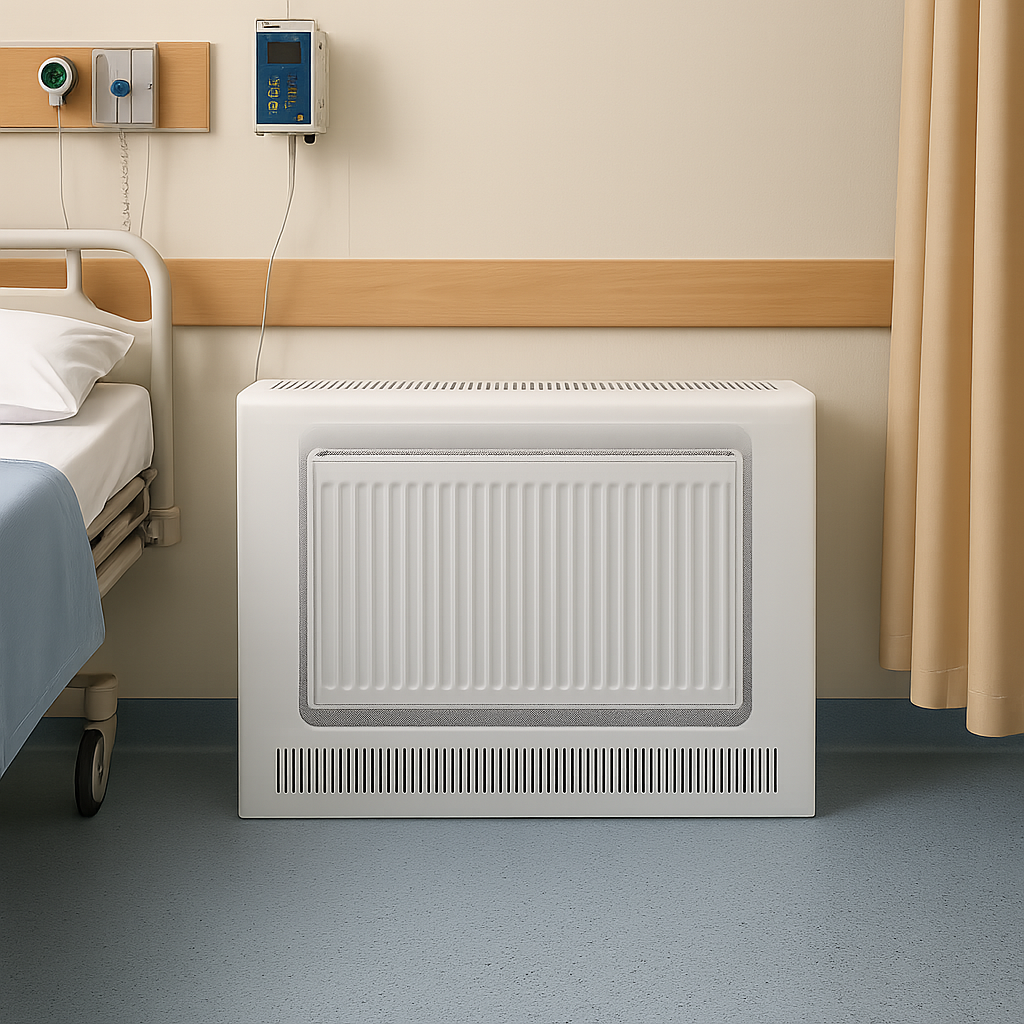
Fabricated from durable powder-coated steel, Standard Steel is the dependable all-round choice for high-traffic public environments. Every cover is made to the confirmed dimensions with options for valve access, cut-outs, mounting and top profile.

At a glance
The selection points teams ask for first.
A concise starting point before the full specification, current datasheet and project drawings are confirmed.
Low surface temperature
Supports low-surface-temperature environments when correctly specified.
Made to measure
Any height, width and depth with access and cut-out options.
Easy-clean powder coat
Anti-microbial powder-coated finish with colour choices; coating performance information is available for project review.
UK manufactured
Designed and manufactured in Britain for project-specific requirements.
Configure your standard steel radiator cover
Starting selection: 1.5 mm steel, floor standing, flat top with top slots. Choose your configuration below and copy your selection for your quotation enquiry.

Why this range exists
A reliable specification-grade standard.
A strong, neat cover helps protect users from hot surfaces and sharp edges while improving the appearance of radiators in occupied buildings. Final LST performance depends on correct specification with the heating system.
- 01
Made to measure
Built around confirmed height, width and depth, with valve access and cut-outs where required.
- 02
Cleanable powder coat
A durable finish designed for day-to-day estates cleaning routines.
- 03
Safe, practical detailing
Profiles and edges designed around occupied public environments.
- 04
Built for impact
Robust steel construction for long-term use in high-traffic areas.
Product detail
Standard Steel, explained.
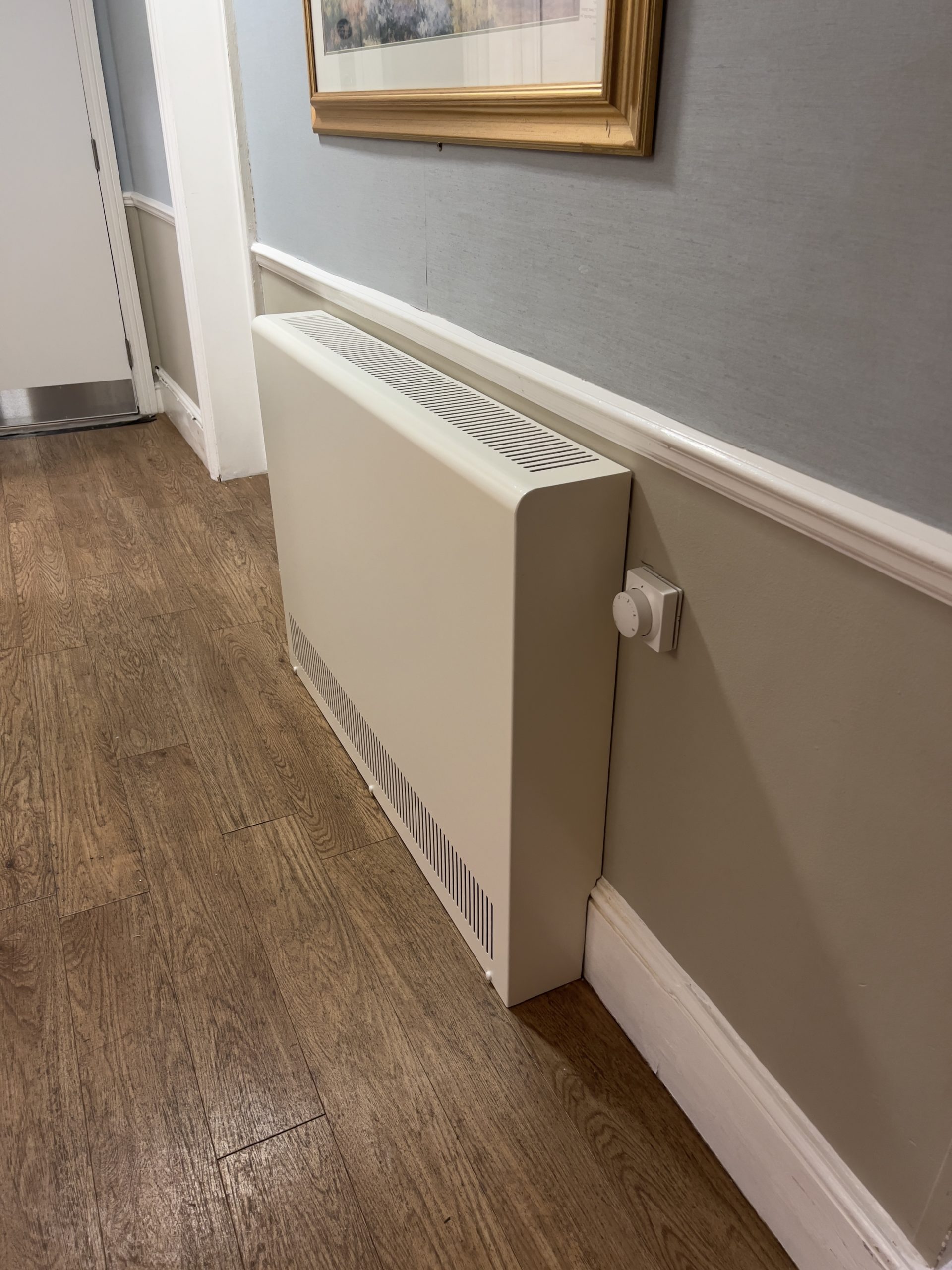
Explore the details that support airflow, protection and practical installation.
Select or focus a detail to highlight the photograph. Select the active detail again, or press Escape, to return to the clean photograph. Highlighted zones are indicative; access and mounting depend on the project.
Select a product detail to explore.
Product and project gallery
Standard Steel in detail.
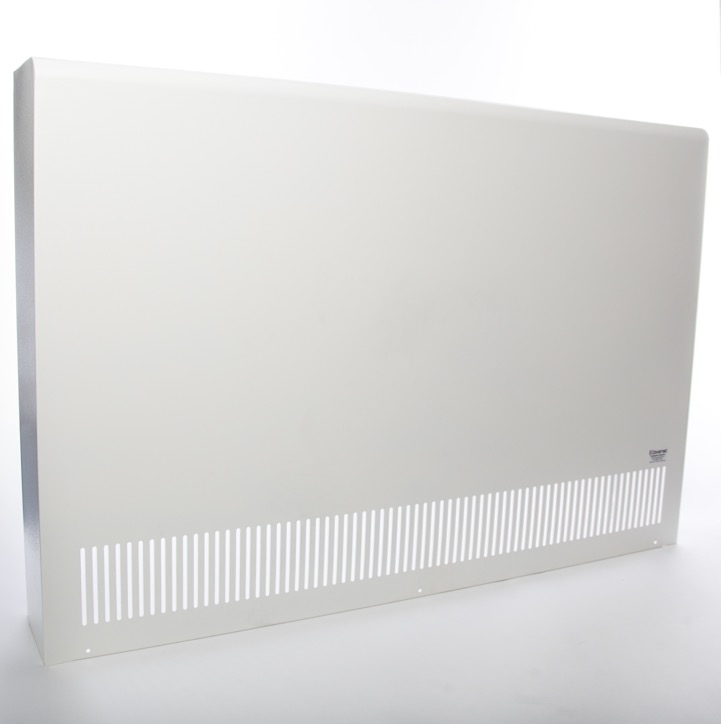
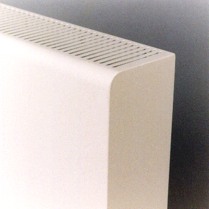
Product details and real-world installation views across healthcare, education and public-building environments.



Compare ranges
Is Standard Steel the right route?
Compare the closest alternatives by environment and access need, then ask Coverad to confirm the project-specific choice.
Standard Steel
Durable everyday LST protection
- Made to measure
- Powder-coated steel
- Floor or wall mounted
Eazi-Access
Regular cleaning and servicing
- LST protection
- Half Turn Allen Key Fixing
- Healthcare-friendly detailing
Polymer
Wet areas and corrosion resistance
- uPVC with stated fire classification
- Rust proof
- Softer impact surface
Anti-Ligature
Fixed safety-first protection
- Heavy-gauge steel
- Secure detailing
- Fine ventilation mesh
Verified specification route
Standard Steel on NBS Source.
Confirm the verified product listing, then open the live specification tools only when they are needed.
Specification
Standard Steel LST radiator covers — key details.
Use this as a quick reference for schedules and tenders. Confirm the current datasheet, drawings, finish, access and fixing details before specification or order.
Selection and specification
When to choose a Standard Steel radiator cover
Choose Standard Steel when the project needs a made-to-measure steel casing and routine access can be handled through the agreed fixing arrangement. Where cleaning teams need frequent access to the radiator behind the cover, compare Eazi-Access before selecting the range.
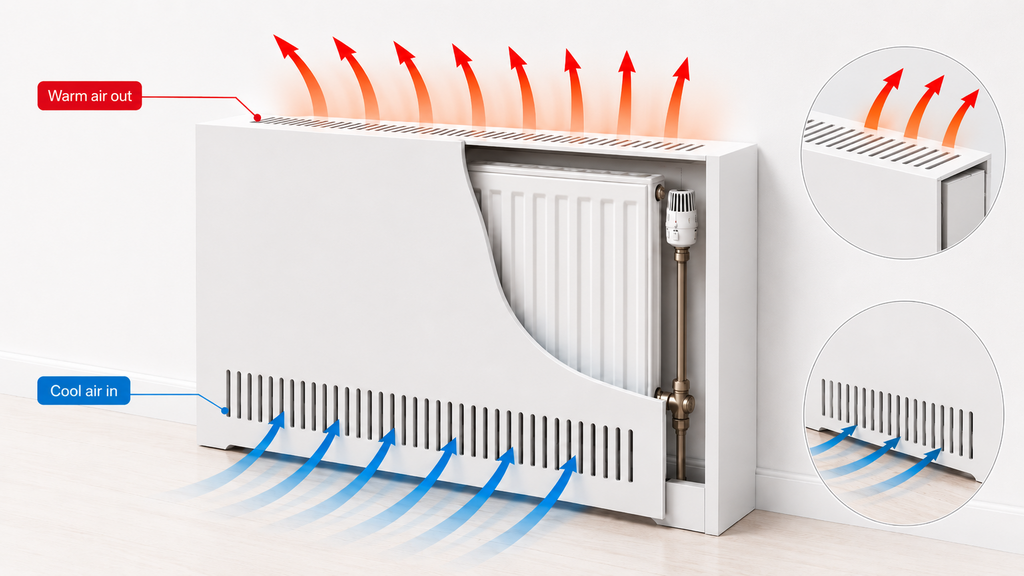
A cover changes the airflow around a radiator. The result depends on the radiator, ventilation, clearances and heating-system conditions; a general percentage or universal surface-temperature guarantee would be misleading.
Supporting information: Read the Standard Steel datasheet. Ask Coverad about your specification.
What to record before manufacture
- Record radiator size, valve positions and projecting pipework separately from the proposed cover dimensions.
- Note skirting, wall condition and nearby doors or furniture so the fixing and access arrangement can be checked.
- Ask for the applicable test report and operating conditions when assessing heat output and surface-temperature performance.
Request a site survey if you need help recording site conditions.
Finish information
Anti-microbial powder coating.
The anti-microbial powder-coated finish incorporates silver-ion technology to inhibit bacterial growth on the coated surface. Coating technical literature references testing to ISO 22196:2011 against certain bacterial strains.
This evidence relates to the coating, rather than a test of the complete radiator cover or an infection-prevention claim. Routine cleaning remains necessary. Ask us for the coating performance information and cleaning guidance when developing your specification.
Guidance and project proof
Standard Steel guidance and insights.
Relevant specification guidance and live Coverad project stories from the Coverad insights library.
09/07/2026
Do Radiator Covers Reduce Heat Output? The Honest Answer for Specifiers
Do radiator covers reduce heat output? Learn how ventilation, clearances, valve positions and site surveys affect airflow and practical performance.
Read more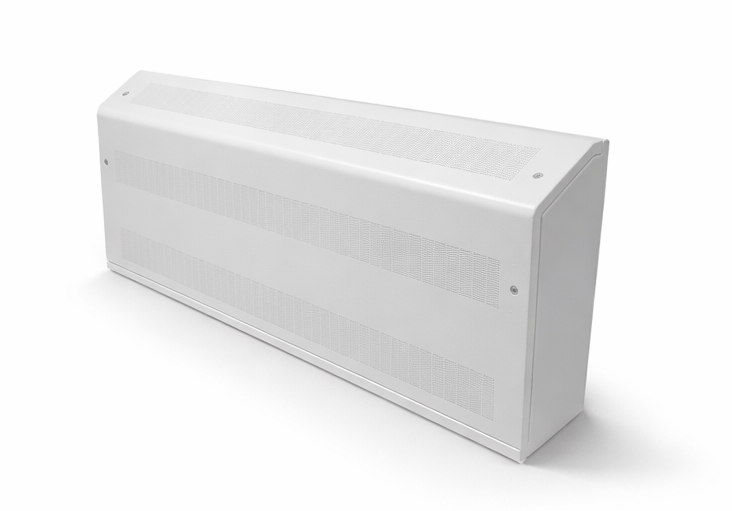
10/03/2026
Radiator Covers: A Specifier’s Checklist
Use this radiator covers checklist for tender notes: confirm dimensions, airflow, valves, cleaning, material, fixings and maintenance or secure access.
Read more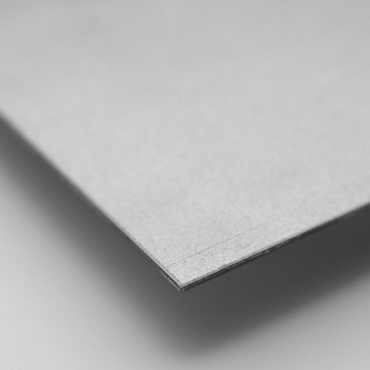
08/04/2026
CR4 Mild Steel vs Magnelis®: Choosing the Right Steel for Radiator Covers
Compare CR4 mild steel and Magnelis for radiator covers, including 1.5 mm and 2 mm options, rigidity, finish and corrosion risks to…
Read moreFrequently asked questions
What specification teams usually ask.
Practical checks to make before the current datasheet, drawings and project requirements are confirmed.
Can Standard Steel covers be made to non-standard sizes?
Yes. Each cover is manufactured to confirmed project dimensions, including the required height, width and depth.
Can the colour and material be changed?
Alternative RAL colours and galvanised, Magnelis or stainless-steel material options can be discussed at quotation stage.
Can Standard Steel be floor or wall mounted?
Both arrangements are available. Flat and 30° sloping top profiles can also be considered, subject to the site and project requirements.
What information is needed for a quotation?
Send dimensions or a radiator schedule, drawings and clear site photographs. Coverad can then confirm access, cut-outs, finish, fixing approach and whether a survey is needed.