
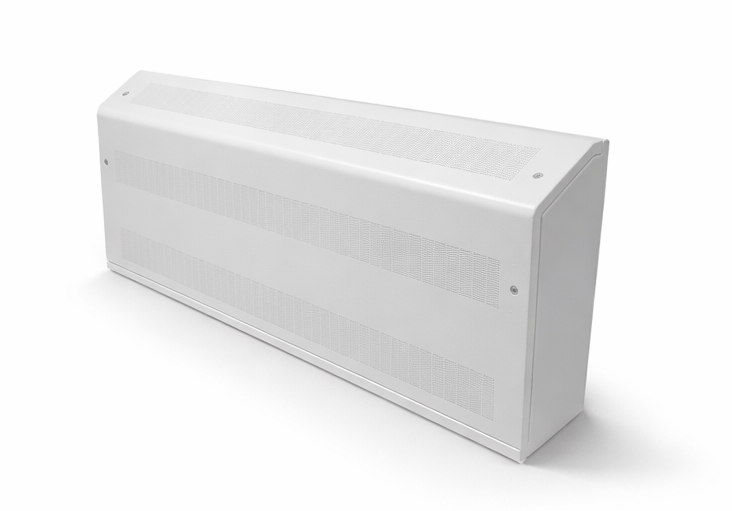
Radiator Covers: A Specifier’s Checklist
Radiator Covers: A Specifier’s Checklist (What to Include in NBS / Tender Notes)
A clear specification avoids the usual problems: blocked TRVs, poor servicing access, awkward installs and covers that don’t match the environment.
Use this checklist to write a buildable, maintainable spec — first time.
NHS / Estates / Care
Contractors & QS
Sizes to be supplied as H × W × D (mm), with valve/TRV and obstructions noted.
Best practice: manufacturer to carry out a free site survey and confirm sizes prior to manufacture (reduces risk and rework).
1) Start with the intent (what are you trying to achieve?)
- Safety: protect occupants and reduce risk around hot surfaces.
- Robustness: withstand knocks, trolleys, beds, wheelchairs and daily use.
- Security: reduce tampering in challenging environments (specify the required level).
- Access: allow practical servicing of valves/TRVs and the radiator.
- Appearance: tidy, consistent finish to suit the space and client expectations.
- Lifecycle value: fewer maintenance callouts and replacements over time.
Specify the intended tamper requirement and required servicing access (see section 3).
2) Choose the cover type (and be explicit)
Specify the range (or the performance intent) rather than leaving it open to interpretation. This helps avoid substitutions that don’t suit the environment.
General education, commercial and public buildings where robustness + tidy appearance are key.
Ideal where maintenance access is frequent and quicker servicing is needed.
For secure environments requiring risk reduction and tamper resistance.
Higher-security approach with controlled access and robust construction where required.
and require the manufacturer to confirm a compliant solution at survey stage.
3) Define the security / tamper requirement
“Anti-ligature” can mean different things across the market. Your tender notes should state the level of tamper resistance required and what access is permitted for servicing.
- Environment: mental health, secure ward, PICU, custodial, SEN, general healthcare, education, etc.
- Tamper resistance intent: robust / secure / high tamper resistance (state the project requirement).
- Fixings: tamper-resistant fixings where required, suited to wall type.
- Access: define if access must be controlled (authorised staff only) and the method (hinged/removable/service access).
- Edges & detailing: smooth, safe edges appropriate for the environment; avoid snag points.
4) Measurements: state the format and recommend a manufacturer survey
Ordering errors usually come from unclear responsibility and inconsistent measurement formats. Make both explicit.
This reduces the risk of rework and ensures the cover suits the real on-site constraints.
- Format: sizes recorded as H × W × D in mm.
- Obstructions: skirting, dado rails, window sills/ledges, trunking, handrails, sockets, boxing.
- Pipework: wall/floor entry, left/right, boxed/unboxed, unusual offsets.
- Valves/TRVs: confirm if TRVs must remain adjustable without removing the cover.
5) Airflow & clearance intent
Include a clearance intent rather than allowing the cover to sit tight to the radiator. As typical guidance, allow:
- 100mm ideal above the radiator (50mm minimum if needed)
- 100mm each side where practicable
- 50mm clearance from the front of the radiator
6) Materials, finish, cleaning and durability
- Material: steel (typical), polymer (where specified), or project-specific requirement.
- Finish: powder coated to specified RAL (state gloss level if required).
- Cleaning regime: specify if healthcare/care cleaning requirements apply (easy wipe-down, avoid dust traps).
- Fixings: define wall type assumptions (solid / stud / blockwork) and whether fixings must be concealed / tamper resistant.
- Consistency: require consistent detailing across a programme (useful for multi-room / multi-site rollouts).
7) Access, servicing and maintenance
- State whether covers must be removable, hinged, or include service access.
- Confirm whether bleeding, TRV adjustment and valve replacement must be possible without full removal.
- Ask for a clear access strategy per range (particularly Secure+ environments).
8) Tender-stage deliverables (what you should ask for)
- Manufacturer survey: confirm the manufacturer will survey and verify sizes prior to manufacture (recommended).
- Programme: lead times, installation sequencing, phased works and out-of-hours constraints.
- Installation approach: fixing method suited to wall type and environment; confirm any tamper-resistant requirement.
- O&M pack: cleaning guidance, basic maintenance notes, and access/fixing notes.
- Handover: confirm labelling/room references match the schedule.
Copy/paste: example tender wording (edit as needed)
Manufacturer to carry out a free site survey to confirm final sizes, cut-outs and access requirements prior to manufacture.
Sizes to be recorded as H × W × D in mm.
Covers to allow suitable airflow and practical servicing access to valves/TRVs as required.
Clearance intent: 100mm ideal (50mm min) above radiator, 100mm each side, and 50mm front where practicable.
Finish: powder coated to RAL ___.
Fixings and access strategy to suit environment, tamper requirement and maintenance needs.
Where secure environments apply, include higher-security solution such as Anti-Ligature Secure+ where required, with controlled access and tamper-resistant fixings.
Want a quick spec review or a project quote?
Send your radiator schedule (or drawings) and we’ll advise the best cover type, access method and sizing approach —
including risks and constraints before manufacture. Free site surveys available.