
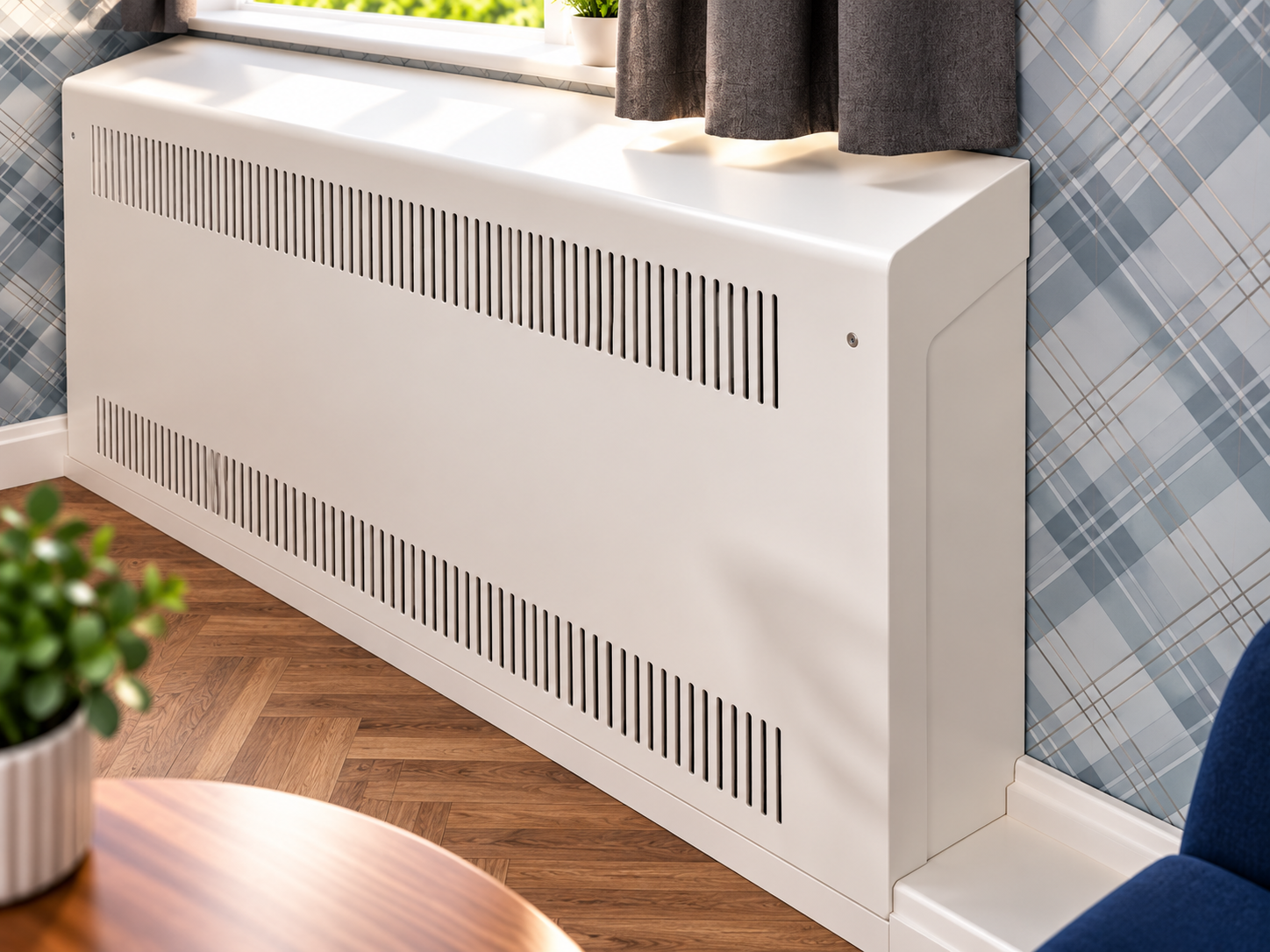
Radiator cover maintenance: a practical winter checklist
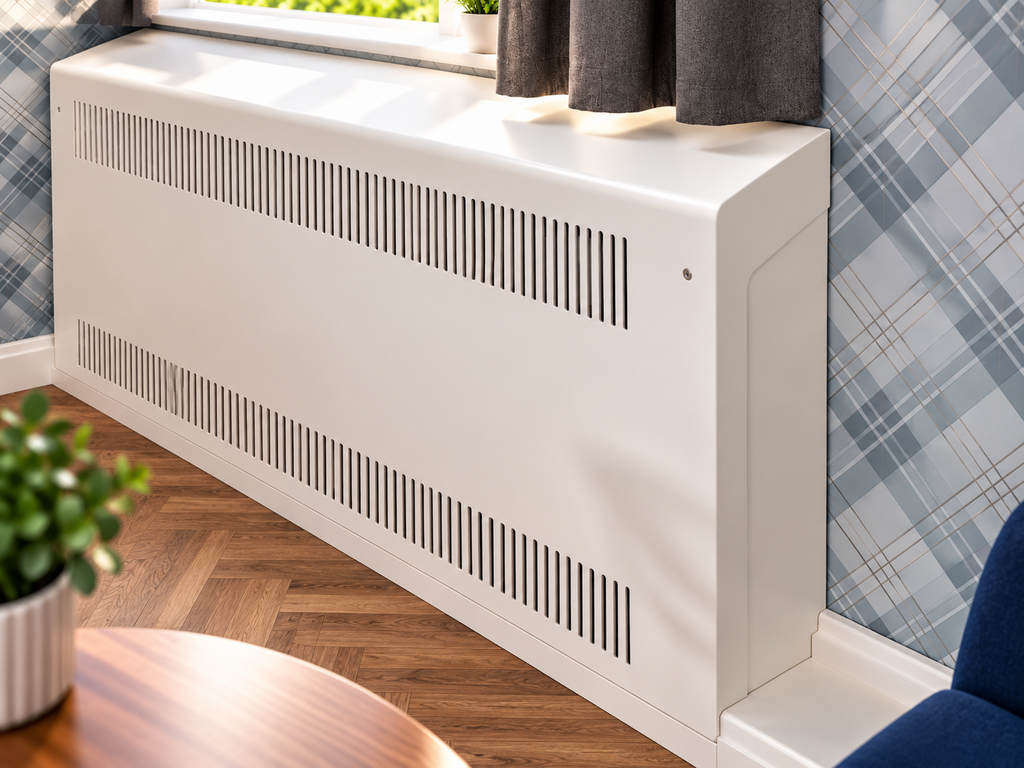
Radiator cover maintenance is easy to put off when the building is busy. A panel still looks tidy, the room feels warm and there are more urgent jobs on the list. However, a short, planned check can spot blocked ventilation, loose fixings or awkward valve access before they become a bigger task.
For estates and facilities teams, the best starting point is simple: look at the cover, the radiator behind it and the way the room is being used. Here is a practical checklist to take into your next maintenance round.
Start radiator cover maintenance with ventilation
Check that furniture, curtains and stored items have not covered the ventilation openings. A room layout can change quite a bit between inspections. A cupboard pushed against a cover or a bag left underneath it may obstruct the intended air path.
Look for dust around the slots too. Clean them using the agreed method for the material and finish. If a room is not heating as expected, ask the heating team to review the radiator, controls and clearances together. Do not assume that the cover is the only cause.
Check access before opening a panel
Make sure authorised staff have the correct tool and know the opening procedure. Allow enough room to move and support the panel safely. Follow the supplied care instructions, and coordinate the work around the heating system and people using the room.
Our Eazi-Access radiator covers are designed around authorised cleaning and maintenance access. Where access has become difficult, note the obstruction rather than improvising a fixing or leaving a panel unsecured.
Look beyond the visible face
Once the cover is safely open, inspect the space around the radiator, nearby pipework and the floor beneath it. Agree who cleans each part. A clean exterior does not tell you whether the area behind it has been included in the cleaning routine.
Check for signs of leaks, damage or loose components and refer heating-system issues to the appropriate team. Keep photographs and a room reference with the job record so the next person can find the same location.
Include fixings, finishes and valves
Check for loose fixings, damaged edges, worn coatings and panels that no longer close correctly. Confirm that the fixing surface is sound and that the cover is secured as intended. Review any damage before deciding whether a repair or replacement is suitable.
Then check valve access. A thermostatic radiator valve needs an appropriate sensing arrangement, not just somewhere convenient to fit it. Our guide to TRVs and radiator covers explains the points to discuss with your heating team.
Keep radiator cover maintenance records useful
A useful record includes the room, cover range, access method, fault found and action agreed. Add the date and a photograph where it helps. That information makes repeat visits easier and helps distinguish an isolated repair from a wider replacement programme.
If radiator cover maintenance keeps revealing the same access problem, it may be time to review the specification. Contact Coverad with your room details and photographs, or request a free site survey. We can talk through the cover arrangement around the building you actually have.